Key takeaways: Insurance for startup businesses
Why do startups need… Insurance sooner than they think
Three moments that transform insurance from an everyday task to the mission of today, especially for startup insurance. The landlord hands you a commercial lease that specifies coverage as a condition of signing. The enterprise client submits a contract that requires proof of liability before work can begin. You are making your first hire and need protection from day one.
Each of these moments comes with a watch. The good news is that the clock works in your favor when you can move at the same speed as your trade. The policy that It can be linked in minutes meaning the lease is signed, the contract is closed, and the new lease starts on schedule.
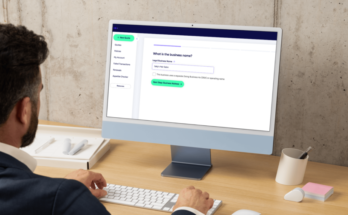
Think of business security as the step that allows the next thing to happen, not the paperwork you give and forget. With Coterie, an insurance agent can provide a quote in minutes, so insurance keeps pace with your business rather than disrupting it.
The basic coverages that every startup should know
Three types of coverages handle most of what businesses face at an early stage. A Business owner policy General liability combines with business property, which protects the physical things you own and the location from which you operate. Public liability It covers third-party claims you face every day, including bodily injury, property damage, when a client defaults, a project destroys the client’s space, or a competitor accuses you of copying their logo. Diverse professional responsibility It fills the gap for service-based founders whose work creates risk by providing advice or deliverables rather than physical premises, covering claims for errors that could cost the client money. Start with these three and you’ll cover deal-breakers, rentals, and hires.
Business Owner Policy (BOP)
A business owner’s policy combines general liability and business ownership into one contract. You can purchase the two coverages you would otherwise shop for separately, and the package costs less than two standalone policies. The property side pays the costs of repairing or replacing your physical assets after a covered loss. The liability side deals with claims from affected customers and damaged third-party property.
Startups with a physical footprint get the most out of BOP. Sign a lease, outfit an office with computers and furniture, or take inventory in a warehouse, and you now have a property worth insuring. A retail brand with a warehouse, a hair salon with beauty supplies and tools, and a hardware startup with prototyping equipment all fit the BOP file.
Not all businesses are eligible. Insurers determine BoP eligibility by industry, and high-risk categories or operations with unusual exposures often fall outside the standard desirability range. Eligibility comes down to your NAICS code, which is the number that categorizes what your business actually does. Coterie writes BOPs across a wide range of NAICS categories, so a startup that’s rejected elsewhere is often still bound for coverage in minutes.
General liability insurance
General liability covers three things a startup is likely to be sued for:
– A customer stumbles into your kiosk and breaks his wrist, which is a physical injury.
– Your contractor scratches your client’s hardwood floor, which is property damage.
– A competitor claims that your ad copied their logo, and this is both personal and advertising damage.
gL helps cover accidents similar to the above depending on your coverage and endorsements.
Standalone GL makes more sense than BOP when you have fewer physical possessions to protect. An advisor working from a laptop, a marketing agency in a coworking space, or a home-based software founder rarely has enough equipment or inventory to justify bundling property coverage. You’re paying for the liability protection you need without adding a premium you won’t use.
GL is also the coverage your landlord and clients will request first. Commercial leases routinely require proof of public liability before you get the keys. Institutional contracts include it as a condition of signing, often with a limit and a certificate naming the other party as an additional insured. Hold a GL and you’ll be able to clear the most common contractual hurdle a startup faces in its first year.
Miscellaneous Professional Liability (MPL)
Miscellaneous professional liability covers the financial damage a client suffers when your business misses the mark. The advisor provides advice that costs the client revenue. A marketing agency is running a campaign that violates advertising rules. MPL is here to help cover claims surrounding these and similar scenarios.
You need this coverage if you’re selling experience rather than a physical product. Management consultants, marketing and creative shops, IT and technology service providers, and recruitment companies are all suitable here. Public liability deals with a client stumbling into your office. It does nothing when a client claims your recommendation cost them money.
Treat MPL as a companion to your public liability or BOP, not a replacement. The two policies answer different questions. One responds to physical injury and property damage. The other responds to claims about the quality and accuracy of your professional work.
BOP vs. General Liability: Coverage Comparison
Choose general liability if you sell a service and own little tangible property. Choose BOP if you have a site, equipment, or inventory worth protecting. The table below shows the appropriate location for each.
| Balance of payments | Public liability | |
| What is covered | GL plus commercial real estate in one package | Bodily injury, property damage, personal and advertising injury |
| Typical triggers | A customer slips into your store, and a fire damages your equipment | When a customer visits your site, your ad copies the competitor’s logo |
| Best for | Startups with limited physical space, equipment, or inventory | Startups that are service-only, home-based, or have low real estate value |
| Property coverage | Yes | no |
| Average cost signal | Higher than standalone GL, lower than buying both separately | The lowest entry point of the two |
| When is MPL added? | You are paying for professional advice or work | Same thing, GL will not cover any error in your service |
No one covers mistakes in the work you deliver. Add diverse professional responsibility when clients pay you for expertise.
What Alcotiery covers for startups
Coterie writes about the three coverages that most startups actually need, and Your agent can Quote and link each one online without waiting for a guarantor.
Do you need an insurance agent? You can find a Clique agent using the Agent Finder tool.
Cover shot
- Business Owner Policy (BOP) – General liability and business property packages for startups with location, equipment or inventory.
- General Liability (GL) — Covers third-party bodily injury, property damage, and advertising-related injuries. Coverage required by most leases and customer contracts.
- Miscellaneous Professional Liability (MPL) – Errors and omissions protection for consultants, marketers, technical services and other service-based founders.
Eligibility and features
- Available in all 50 states.
- Broad appetite for NAICS covers early stage and small commercial companies.
- Instant, linkable quotes in less than 2 minutes, with same-day insurance certificate.
- It is distributed through thousands of agency partners.
Agents can use this list as a checklist for placements – if the startup is a good fit, a qualified, linkable quote will be two minutes away. Founders can use it to confirm coverage before the next lease or contract deadline.
Who is eligible for start-up business insurance?
Coterie writes coverage of small and early-stage businesses across a wide range of industry categories. You don’t need a funding round, revenue history, or years in business to qualify. If your operation falls within Coterie’s NAICS desire, you can view and link prices the same day you start.
You’ll likely qualify if you match these signals:
- You operate a small business, including service-only, home-based, and storefront settings
- Your industry falls under Coterie’s broad NAICS category, which covers consultants, contractors, retail and many technical and professional services.
- You work in any of the 50 states
- You need a fast policy to meet your lease, contract or employment requirements
Some high-risk classes sit out appetite. Run your business type through a quote to confirm eligibility in less than 2 minutes.
For Insurance Agents: Recruit emerging business clients quickly
As a startup owner, you need coverage the day you sign a lease or get your first enterprise contract. Coterie can connect you with an agent who can bind the policy the same day. The Coterie platform turns your startup quote into a linkable policy in minutes so you get the policy you need.
The speed depends on what happens after the quote. Coterie issues certificates of insurance instantly, which means you can send proof to the owner or seller without waiting for a reply and return. There are no phone calls between your agent and guarantor for routine startup classes.
Hard-to-find startups are where most agents waste time. Coterie’s broad NAICS appetite covers service companies, consultants and technology startups that are falling behind standard markets. Your agent will spend less time searching for the carrier that will write the risk.
Thousands of agency partners are already creating small businesses through Coterie. This grid indicates what customers have discovered. Fast connectivity is the difference that makes your business always progress.
How to get a quote in minutes
Agents will need a few things from you before you get started:
– Business name and address
– Industry or plain language description of what the company does
– Estimated annual revenues.
As a small business owner, you want to work with an agent who is an active producer of the group. You can find one with us Find the proxy tool.
Frequently asked questions
Do I need insurance before I can earn revenue?
Ideally, yes. Coverage requirements are triggered on events such as signing a lease or entering into a contract, not on your first dollar of revenue. The clique adheres to the policies of pre-revenue startups without preconditions.
What is the difference between BOP and general liability?
BOP combines general liability with commercial property into one policy. General liability covers injury to a third party and damage to property on their own. Startups that only offer the service often choose standalone GL through Coterie.
Can i get Insurance certificate Same day?
Yes. With Coterie, your startup can get a COI tool instantly once engaged, so you can fulfill an owner or customer’s request within minutes.
Does the group cover my industry?
Coterie writes across a wide range of NAICS categories in all 50 states. Run your business type with an instant quote to confirm your appetite.
How much does startup business insurance cost?
Premiums vary by coverage, industry and location. Coterie returns a real linkable price in less than 2 minutes.
This article is intended to provide a general summary of Coterie’s products and services. The information contained herein is for informational purposes only and in no way amends, changes or extends any insurance policy or guarantees any specific price, quote or coverage. For a full understanding of the coverage available, please review the terms, conditions, definitions and exclusions of your insurance policy. Please note that all products and coverages referenced here may not be available in all states or to all customers. Please see Coterie’s Terms and Conditions and Privacy Policy for more information.