You rely on electricity every day, but most people don’t think about what’s going on behind the walls until something goes wrong.
If you’re reading this, there’s a good chance that a home inspection or insurance company just told you that your electrical panel is a problem. Specifically, Federal Pacific breakers are one of the most common reasons homes are denied coverage.
We’re insurance agents, not electricians, so we won’t judge the wiring itself. But we can explain why insurance companies are hesitant and what your options are.
What is Federal Pacific Breakers? Quick answer
Federal Pacific breakers, often called Stab-Lok panels, are older electrical panels installed in many homes from the 1950s to the 1980s.
They became well known not for reliability, but for documented safety concerns and high failure rates. This is why many insurance companies refuse to cover homes that still have them.
How electrical panels work
Electrical panels, also called breakers or service panels, control the flow of electricity through your home.
When there is a surge, overload, or short circuit, circuit breakers must trip and shut off the power to prevent overheating and fires.
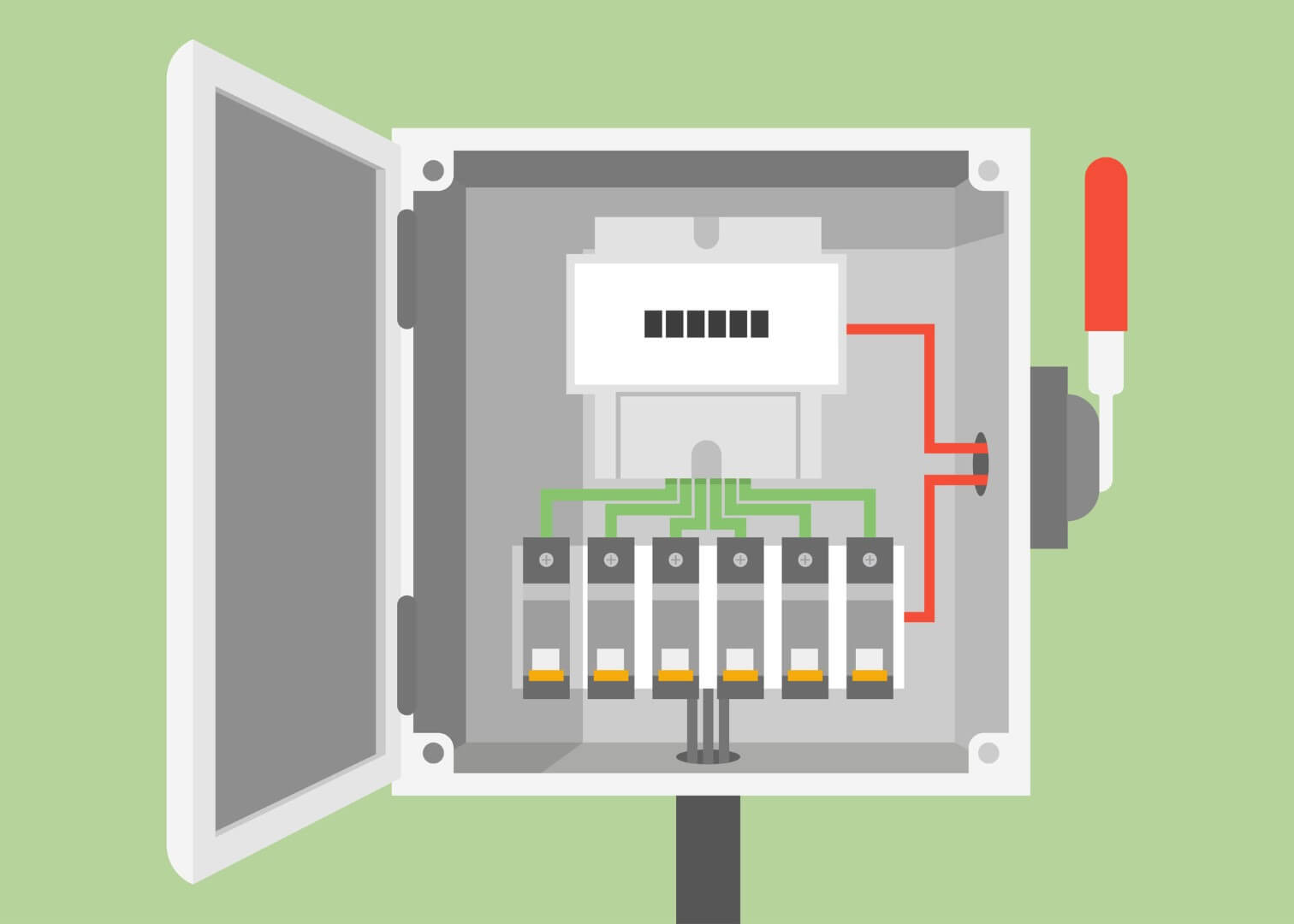
It can be frustrating when the power goes out, but this feature is what keeps your home safe.
Why Federal Pacific Breakers are considered dangerous
They may fail to trip
Some Federal Pacific breakers don’t trip when they should. This means that electricity continues to flow even in dangerous conditions.
Risk of fire and electric shock
If the circuit breaker fails, the wires can overheat, melt the insulation and potentially cause a fire. In some cases, the circuit breaker may appear to be off while still conducting electricity.
Not only do Stab-Lok panels fail to engage during an electrical shock, failure rates are between 25-65%they may fail to turn off the power when the switch is in the “off” position, resulting in electric shock.
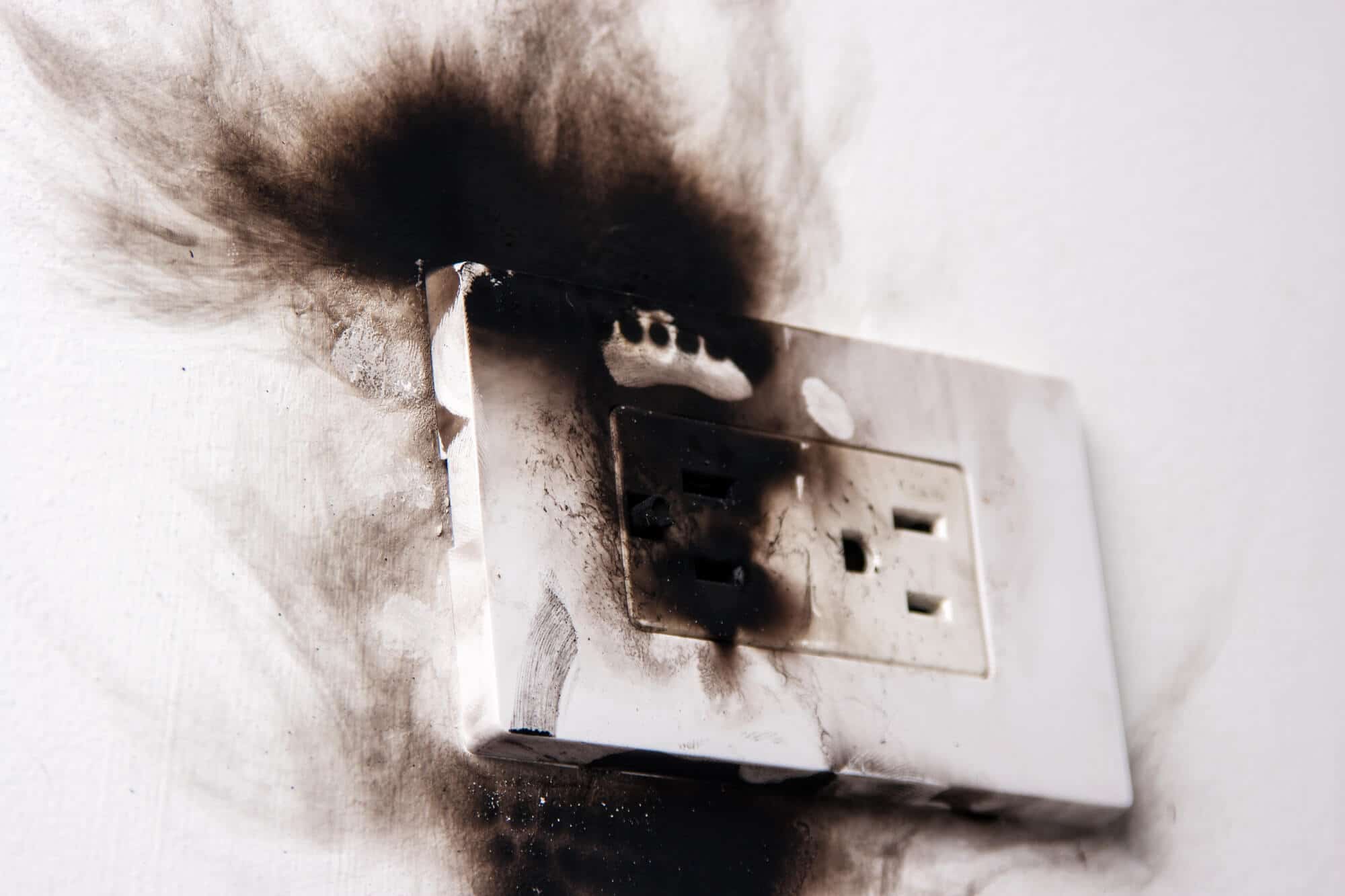
Despite the known dangers, the seizure of electrical panels from the federal Pacific region did not occur until 2002, and approximately 28 million of these panels are still in use in homes today.
Why won’t insurance companies cover these panels
Electrical fires are one of the leading causes of residential fires and cause approximately 500 deaths and $1.3 billion in property damage each year. Insurance companies are constantly evaluating risk, and some risks just don’t make financial sense to take.
As explained in How Does Insurance Work?, higher claims lead to higher premiums. When a particular product consistently results in losses, insurers may decide not to cover it at all.
Federal Pacific breakers fall into this category. Like polybutylene plumbing, they have caused enough problems that many carriers won’t insure their homes with them.
Other electrical panels that cause insurance problems
Federal Pacific isn’t the only name to watch out for.
Zinsco and Challenger panels are also frequently flagged during inspections. In many cases, homeowners don’t even know what type of panel they have until a 4-point inspection reveals it.
Older panels may generally not meet modern electrical requirements or safety standards. Building regulations have changed since 1970 and many older electrical panels simply do not meet modern standards.
Think about how much more electricity your household uses compared to, say, your grandmother’s time. Your WiFi router, Alexa, laptops, cell phone chargers, and game console have a much bigger appetite than a 1950’s blender.
What happens if your home has one?
Will any company insure it?
Some insurance companies may still offer coverage, but options are limited and often more expensive.
Should you change it?
In most cases, panel replacement is the easiest way forward if you want better insurance options.
How much does it cost to replace an electrical panel?
Replacing an electrical panel typically costs around $1,100, although it can vary by home and setup.
While this is not a small expense, it often pays off by giving you access to more insurance carriers and reducing risk.
If you suspect your home has one of these panels, do not attempt to replace it yourself. Always work with a licensed electrician.
What business and property owners need to know
If you own a commercial, rental property or multi-story building, electrical panel problems can affect more than just your insurance eligibility.
They can affect tenant safety, liability exposure, and your ability to secure or renew coverage.
If you manage risk across multiple properties, it’s worth reviewing your electrical systems along with your business insurance options.
What to do next
If you’ve been told your panel isn’t insurable, here’s an easy way forward:
- Confirm the panel type with an inspector or electrician.
- Get a replacement quote.
- Talk to an insurance agent about your current options.
- Decide whether to switch now or shop around for limited coverage.
Talk to an insurance agent who can help
Dealing with an insurance denial can feel frustrating, especially when it comes down to something like an electrical panel.
Whether you want to explore coverage options or figure out your next steps, let the friendly agents at Harry Levine Insurance help you.